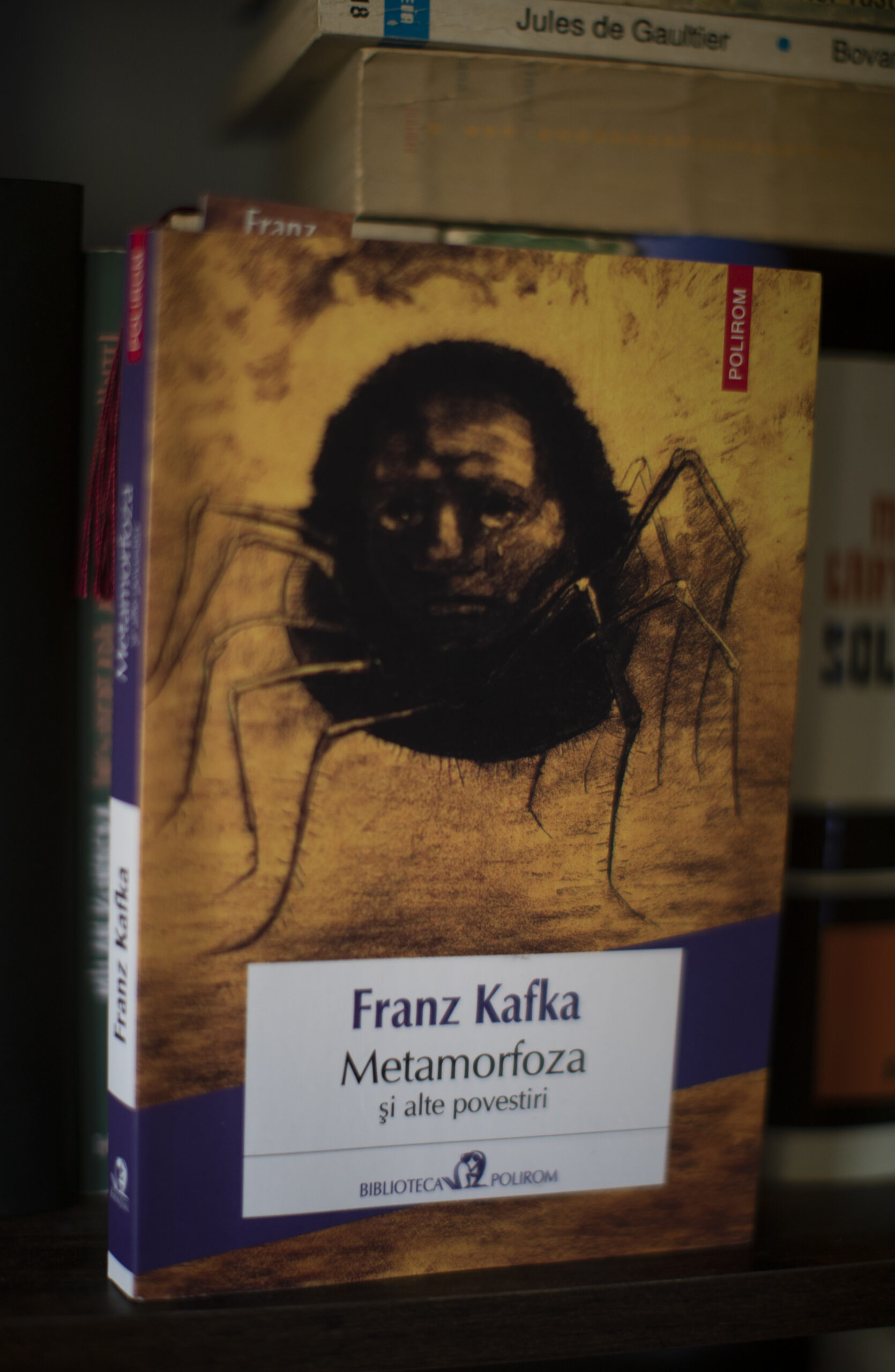
This story has a sense of simplicity in the way it is created: there is one setting and just a few characters, like a play. It was my third reading and this time it reminded me of the movie The Wale, which is actually based on a play.
This simplicity is, I guess, a way for Kafka to let his readers dive easily into the story. But despite it, you may find it hard to grasp. It this sense, he is a bit like Nietzsche, about whom Walter Kaufmann said that he is easy to read but hard to understand.
As mentioned, this story is like a tragic play, one that starts shocking and maybe comically, and ends sadly.
A Brief Summary of Metamorphosis
Gregor Samsa, a traveling salesman, wakes up one morning to find himself transformed into a giant insect. Despite his horrifying new form, his first thoughts are about being late for work and how his family depends on his income. When his boss and family discover his transformation, they are shocked and repulsed.
At first, Gregor’s sister Grete brings him food and cares for him, but over time, the family grows resentful and ashamed of him. They lock him in his room, and his presence becomes a burden. As his physical condition worsens, he becomes emotionally isolated and realizes that his family no longer sees him as human.
Eventually, Gregor dies quietly in his room. The family feels relieved and begins to plan a hopeful new life without him.
Analysis of the Story
When reading Metamorphosis, you first ask yourself, just like Gregor Samsa, if the transformation is real. And just like him, you will realize that “it wasn`t a dream” (p 5). Then, the next logical step would be to ask: what exactly caused the transformation? And I think a third important question is: why a horrific vermin? Why not a dog or a horse? Was there anything in German language and political discourse at the time that would give us a clue?
When Gregor wakes up, he is not surprised that he is not a human anymore. He is concerned with getting to work. A very reasonable explanation is that he was already feeling inhuman. He did not really like his job. It was alienating for him: “Ifwe, people in commerce ever become slighlty unwell then, fortunately or unfortunately as you like, we simply have to overcome it because of business considerations” (p 18).
From an Agambenian point of view we are witnessing a transformation into bare life. Gregor`s room slowly becomes an animal room, and then a storage. It was a place where at a certain point the members of family were disposing useless household items.
Another point in Agamben would be the transitions in the emotional states: from love to fear, from fear to avoidance, and from there to relief. Within this legal and social system the family`s avoidance is justified, because Gregor becomes an “it”.
Gregor is not just gross, but he reminds everybody of their own animality. He is not even burried. He does not get a human treatment.
Final observations
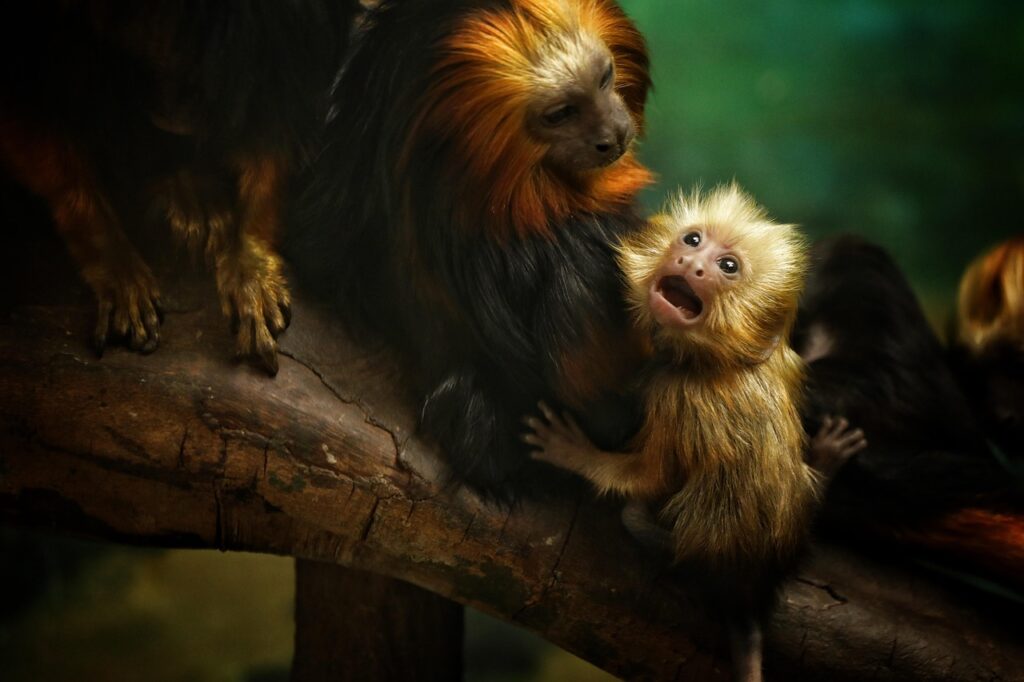
What does Kafka teach us here? There is a very nice metaphor he uses in A Report to an Academy, where he says: “you life as apes, gentlemen, insofar as something of that kind lies behind you, cannot be farther removed from you than mine is from me. Yet everyone on earth feels a tickling at the heels; the small chimpanzee and the great Achilles alike”.
There is in us still a part of the animal, but we want to get read of it at any cost. When we use the toilet, we do it within a very intimate structural way. We flush immediatly the toilet so we cannot see this part of us. The anthropological machine is working. What is this machine for Agamben? It is what tries to define humans by exclusion, like what the Nazis were doing with the Jewish people and more, who were considered subhuman.
In the name of the cultivation of a certain identity, like the Aryan race, we create a waste culture.